Applications
GFRP reinforcement solutions for diverse infrastructure and construction applications across industries.
Where GFRP Makes a Difference
From roads to hospitals, our GFRP products serve 24+ application areas
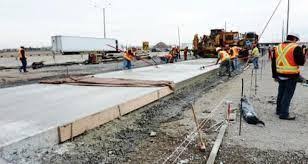
RCC Roads
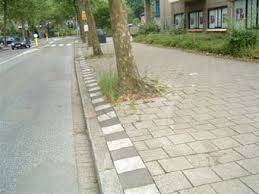
Pavements
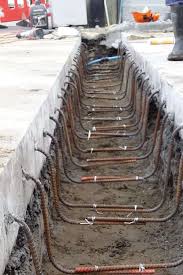
Drainage
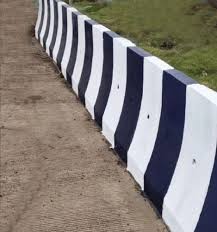
Crash Barriers
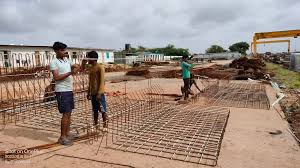
Friction Slab
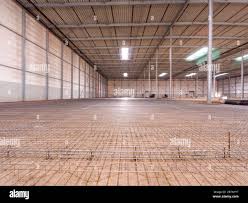
Industrial Floorings

Parkings
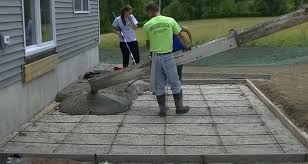
Concrete Slabs
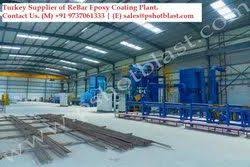
Chemical Plants

Precast

Foundations
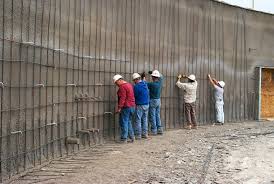
Retaining Walls
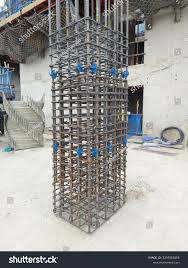
Columns
Water & Waste Water Treatment Plants
Dams, Sea Walls & Marine Applications
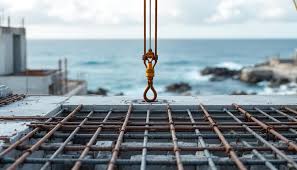
RCC Floorings Near Sea
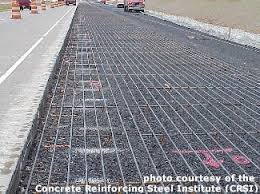
Highway Construction
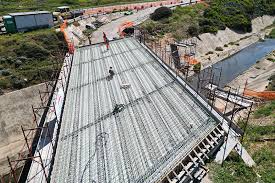
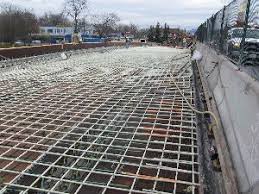
Bridge Decks
Barrier Walls
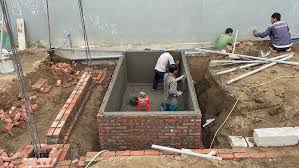
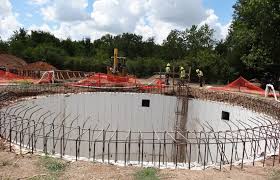
Underground Water Tanks

Swimming Pools
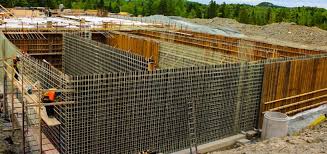
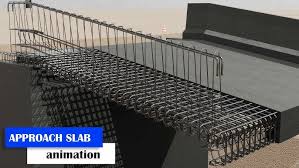
Approach Slab

Hospital MRI Areas
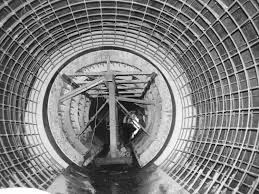
Tunneling & Temporary Reinforcement
Why Choose GFRP for Your Application?
Corrosion Resistant
GFRP Bars are compatible with water, salt, and other chemicals. GFRP does not rust or corrode; it improves the life span of slab building construction.
Cost Effective
GFRP Rebar is a cost-effective material. It decreases base slab maintenance cost and installation costs. GFRP improves the life span of construction.
Stronger
GFRP Rebars are two times stronger than traditional steel reinforcement bars. GFRP bars increase the strength of base slab constructions.
Nonconductive
GFRP Rebar does not conduct electricity, making it ideal for base slabs in electrical-sensitive environments.
Lighter
GFRP Bars are ¼ lighter than traditional steel bars. GFRP makes base slab construction lighter and provides more strength.
Understanding the Need for Base Slabs in Modern Construction
Structural Integrity
It provides a solid foundation that helps maintain the stability of the structure, reducing the risk of cracks and shifting over time.
Load Distribution
The base slab evenly spreads the weight of the building, preventing uneven settling or foundation damage.
Durability
Reinforced base slabs, especially with materials like GFRP rebar, extend the foundation's lifespan, reducing the need for repairs or maintenance.
Moisture Protection
A base slab acts as a barrier, protecting the building's foundation from groundwater, moisture, and soil erosion.